Why Buy a Pasta Machine When Your Neighbor Has One? The Case for a Kitchen Gear Swap
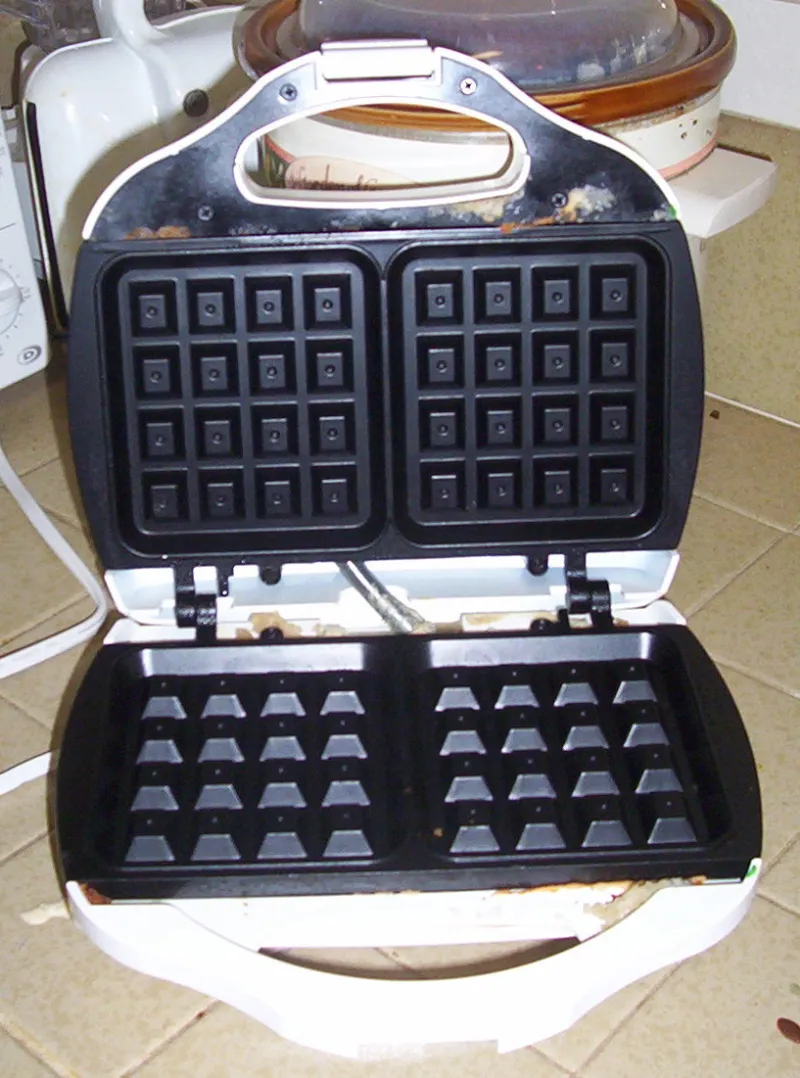
Photo: Unknown, CC BY-SA 3.0, via Wikimedia Commons
The waffle maker was on sale, which is how most specialty kitchen gadgets get into a house. It made maybe eleven batches of waffles in four years, then moved to the top of the pantry, then to the garage, then to the very back of a shelf where it was technically still ours.
Meanwhile, two houses down, a family was buying a waffle maker.
That is the whole problem in one sentence. Most of us own the same underused equipment, storing it badly, in separate houses, on the same street.
The Idea: A Library Card for Your Kitchen
A kitchen gear swap is exactly what it sounds like — a shared shelf, a group, or a seasonal exchange where neighbors lend out the specialty tools they use twice a year and borrow the ones they have not bought yet.
Think of the things you would use enthusiastically for two weeks and then never again:
- Waffle makers and electric griddles
- Slow cookers and pressure cookers
- Pasta machines and stand mixers
- Ice cream makers and popsicle molds
- A big roasting pan for one holiday a year
- Fondue sets, raclette grills, tortilla presses, bread Dutch ovens
They are expensive to buy, awkward to store, and perfect for the kind of project a family does once and talks about for months. Libraries in plenty of US towns already lend out baking pans and sewing machines. A block can do the same thing with less paperwork.
Start With What You Already Own
Before you invite anyone into anything, take inventory of your own kitchen. Open the top shelf, the garage cabinet, the box that came from the last move. You are looking for three things: what you would lend, what you never use, and what you have always wanted to try but refuse to buy.
That last list is the important one. It is the reason this whole scheme works.
Three Ways to Actually Run One
The shelf. Ask a community center, church hall, clubhouse, or your local library about a small labeled cabinet. Members sign a clipboard, take a tool, bring it back. This works best in places that are already open on weekends.
The group. A group text or a shared spreadsheet is enough for a dozen households. List the item, the owner, and the date it went out. Simple, invisible, and surprisingly durable.
The swap night. Twice a year, everyone brings the gadget they never use to a driveway or a block party. Tools get loaned, traded permanently, or sold for ten dollars. Kids love this one, because a swap night looks a lot like a treasure hunt.
Rules That Keep Borrowing From Getting Weird
Keep the rules short enough that people actually read them.
- Label everything with a name and phone number in painter's tape
- Clean it before returning it, and return it dry
- Two weeks, then check in — extensions are always fine if you ask
- One item out at a time per household
- If you break it, you say so. If it is under twenty dollars, replace it. If it is expensive, split the repair with the owner.
- No pressure to lend what you are not comfortable handing over
The tone matters more than the rules. This works when it feels like a favor between neighbors and falls apart when it starts feeling like a rental contract.
Why It Gets Kids Cooking
Novelty is the cheapest ingredient in the house. A waffle maker that came from three doors down is not the same appliance as the one in your pantry — it is an event. Kids who will not touch a Tuesday casserole will stand at the counter for forty minutes watching a pasta roller push out sheets of dough.
That is the low-risk part of borrowing: nobody spent a hundred dollars, nobody committed counter space, nobody has to feel guilty in three years. You borrow the tortilla press, you make tortillas on a Saturday, you return it. If the family loved it, you buy one. If not, it was a good afternoon and a plate of warm tortillas.
There is a bonus in this for the adults, too. Borrowing something makes you ask a neighbor a question, and asking a neighbor a question is how a block becomes a neighborhood. Somebody's kid learns that the lady next door makes her own pasta. Somebody else gets a slow cooker back with a container of chili in it.
Try One Thing This Month
You do not need to start an organization. Start with one item and one neighbor.
Post in a neighborhood group or a Buy Nothing group and say what you would lend and what you would love to borrow. Keep it to one sentence. Someone will answer, and the answer will usually be a tool you did not know was sitting twenty feet away.
Then make something with it, on a weekend when nobody has anywhere to be, with a kid on a stool and the manual open on the counter. Return the tool clean. Send a photo of what you made. That photo is how the whole thing spreads — not through rules or a spreadsheet, but through a neighbor who suddenly wants a waffle.