Fend for Yourself Night: Why One Evening a Week Nobody Cooks for You (And Everybody Still Eats Well)
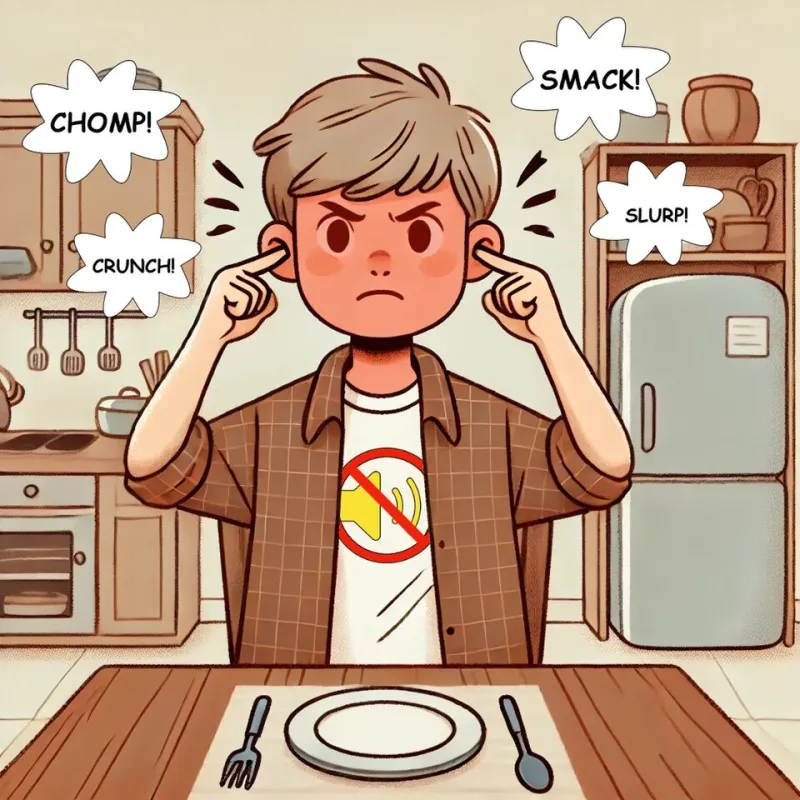
Photo: Base picture by DALL-E 3; further modified by Zack Williams, Public domain, via Wikimedia Commons
Here is a confession from a food writer: for about three years, I cooked dinner for my family almost every single night, and for most of that time I resented it. Not the cooking itself — the deciding. The 4:45 p.m. inventory of the fridge, the mental math of who would eat what, the slow realization that the thing I'd planned on Monday no longer matched anyone's mood on Thursday.
What finally broke the cycle wasn't a better meal plan. It was a rule we wrote on a sticky note and stuck to the fridge: Tuesday is fend for yourself night. Nobody cooks for you. Everybody eats.
It sounds like giving up. It's the opposite.
The problem fend-for-yourself night actually solves
The standard advice for weeknight dinner fatigue is to plan harder. Batch cook. Build a rotation. Those things help, and we do some of them. But none of them address the real load, which is that one person in the house is carrying the entire cognitive weight of feeding everyone, every day, forever.
A fend-for-yourself night transfers some of that weight. Not all of it — you still stock the kitchen, you still set the boundaries. But on that one evening, the question "what's for dinner?" gets answered by the people eating it. Multiply that by fifty-two weeks and it's a meaningful amount of pressure off one set of shoulders.
What the night actually looks like
On Tuesday, between roughly 5:30 and 6:30, anyone in the house can walk into the kitchen and assemble a meal from the fend shelf. That's it. There's no menu, no service, no short-order cook. My husband might have a bowl of leftover chili with a hunk of bread. My son might make a quesadilla and a pile of cucumber. My daughter might have yogurt, toast, and — fine — an apple, because she is ten and she contains multitudes.
We still eat at the same table, roughly the same time. That's the part that keeps it from becoming four separate lives lived in the same house.
The guardrails that keep it from turning into chaos
Unstructured "everyone just grab something" nights go bad fast. Ours works because we agreed on a handful of rules up front, and we actually enforce them.
One shared thing always exists. Usually something easy and warm — a pot of rice, a tray of roasted vegetables, a plate of cut fruit. It gives the night a center, and it means nobody's plate is purely crackers.
The shelf is stocked, not scavenged. On Sunday I restock. Tortillas, eggs, cheese, canned beans, tuna, hummus, bread, yogurt, frozen dumplings, pre-washed greens, whatever fruit is on sale. If it's in the kitchen, it's fair game; if it isn't, nobody's making a special trip.
We eat together. Screens off, same table. The meal is self-assembled. The conversation isn't optional.
One protein, one produce, minimum. The kids know the rule. A bowl of plain noodles is not a meal. They can negotiate the ratio, but the categories hold.
Every person cleans their own dish. This one is non-negotiable and it's the reason the night is genuinely restful for whoever usually cooks.
Nobody critiques anyone else's plate. The whole point is autonomy. If a kid assembles something strange and eats it, that's a win.
How to stock a fend shelf that actually gets used
Buy for assembly, not for recipes. The good items are the ones that require zero technique: things already cooked, already seasoned, already portioned. Think rotisserie chicken, frozen edamame, a tub of good salsa, tortillas that don't need to be warmed to be acceptable, cheese you can slice with a butter knife.
Keep a small shelf or bin at kid height so younger kids can reach their own options without asking. That single change — moving the fend shelf down two feet — did more for our kids' independence than any conversation we've had about it.
And leave room for one thing that feels like a treat. In our house it's a bag of frozen potstickers. Tuesday is the only night they're on the menu, which is exactly why Tuesday gets requested.
What kids are learning while they build a plate
There's a real skill set being practiced here, and it's the kind you can't teach from a worksheet. Portioning. Balancing. Reading what their body actually wants versus what looks good on someone else's plate. Noticing that they're hungry at 5:30 and not 8:00.
They're also learning the basic mechanics of a working kitchen: how to use a toaster safely, how to get a quesadilla off a hot pan, how to put the mayo back in the fridge. Small stuff. It compounds.
And there's a subtler lesson in it, too. Watching a parent say "I'm not cooking tonight, and that's allowed" teaches kids that feeding people is work, and that work has limits, and that rest isn't something you have to earn by collapsing first.
When it doesn't work
Some families shouldn't do this yet. If your kids are too young to safely assemble anything, this is just a night with more supervision, not less. If someone in the house has real texture or sensory restrictions, the open-shelf format can be stressful rather than freeing, and a short pre-agreed list works better than a shelf.
And you'll have nights where it's a plate of crackers and mild regret. That's fine. One low-effort dinner does not undo a week of good ones, and honestly, we've all eaten worse.
The case for making it official
Put it on the calendar. Give it a name. Say it out loud to the family so nobody treats it as a lapse in judgment by whoever usually cooks. A fend-for-yourself night that everyone has agreed to is a tradition. One that happens because someone's exhausted and gave up is just a bad Wednesday.
We've been running ours for two years. Nobody has starved. The kitchen is calmer. And the person who used to carry the whole week — that would be me — actually looks forward to a Tuesday now.