Open Your Doors, Not Your Calendar: Why Casual Potluck Nights Are the Family Tradition You're Missing

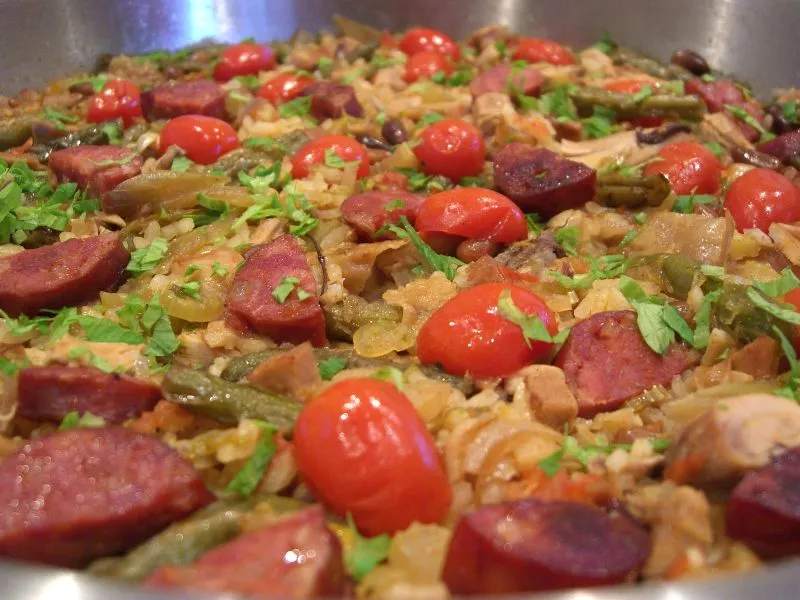
Photo: TangoTizerWolfstone, CC BY 4.0, via Wikimedia Commons
Somewhere along the way, we turned hosting into a performance. The spotless house, the three-course menu, the kids shooed out of the kitchen until guests arrive. No wonder so many of us never send the invitation.
But here's a different picture: a Tuesday night, a pot of chili on the stove, and a text thread that says you bring the cornbread, we've got the toppings, the Hendersons are on dessert. That's it. That's the whole hosting strategy. And honestly? It might be the best thing your family does all season.
The Case for Letting Other People Cook in Your Kitchen
I'll say it plainly: families should host more dinner parties than they think they can handle. Not fancy ones. Not Instagram ones. Just regular, casseroles-and-paper-plates dinners with friends, neighbors, and the couple down the street whose names you only half remember.
Here's why it matters. When your kids watch you welcome people into your home regularly, they learn that hospitality isn't a special occasion skill—it's a way of life. They see adults collaborating, laughing, cleaning up together. They learn that a home can stretch to fit more people than it was built for.
And for the adults? Sharing the load is the whole point. Potluck-style hosting spreads the cost, the cooking, and the cleanup across everyone at the table. You're not a caterer. You're a coordinator. Big difference.
The 5-Person Sweet Spot
There's a magic number for casual gatherings, and it's smaller than you think. Five guests is enough to feel like an event but few enough that conversation doesn't splinter and nobody's stuck cooking for a crowd. It's also the number where a potluck actually works—each guest or family can own one item without anyone feeling like they're catering.
A simple formula that has never failed us:
- You provide: the main dish and the table
- Guest 1: a side or salad
- Guest 2: bread or a starch
- Guest 3: dessert
- Guest 4: drinks or an extra side
Send the assignment in the invite. People genuinely want to be told what to bring—it removes the guesswork and the awkward "what do you need?" texts.
Give the Kids a Real Job (Not a Fake One)
Nothing undermines a kid faster than being handed busywork while the adults do the "real" hosting. If your children are going to be part of these evenings—and they should be—give them ownership.
Depending on age, that might look like:
- Greeting crew: answering the door, taking coats, walking guests to the table
- Beverage station captain: refilling drinks, managing the ice situation
- Table designer: place settings, a hand-drawn centerpiece, the works
- Official greeter of other kids: the all-important playdate coordinator role
My ten-year-old has appointed herself dessert announcer at our last three gatherings. She plans a little speech. It's genuinely a highlight of the evening, and I didn't have to do a thing except stay out of her way.
Feeding a Crowd Without Feeding Your Budget
The beauty of potluck hospitality is that your grocery bill barely moves. A big pot of soup, a tray of baked pasta, a double batch of tacos—all of these feed six to eight people for what a family of four normally spends on a Tuesday.
A few budget-friendly mains that scale beautifully:
- Chili bar: one big pot, bowls of cheese, sour cream, onions, and chips for topping
- Baked potato night: potatoes are cheap, and toppings become the meal
- Pasta two ways: one pot of marinara, one of alfredo, everyone builds their own bowl
- Soup and grilled cheese: nostalgia on a plate, costs almost nothing
Let your guests fill in the gaps. That's the deal.
Start Before You're Ready
You will never feel caught-up enough to host. The house will always have a project unfinished, the floors always need washing. Send the text anyway. Pick a date two weeks out, assign the dishes, and let your family discover what happens when your table gets a little fuller.
Spoiler: nothing breaks. The kids get braver. The friendships get deeper. And your kitchen—the one you already cook in every night—becomes the busiest, happiest room in the neighborhood.