What Happens in the Kitchen Doesn't Stay in the Kitchen: The Life Skills Your Kids Are Picking Up Without Realizing It
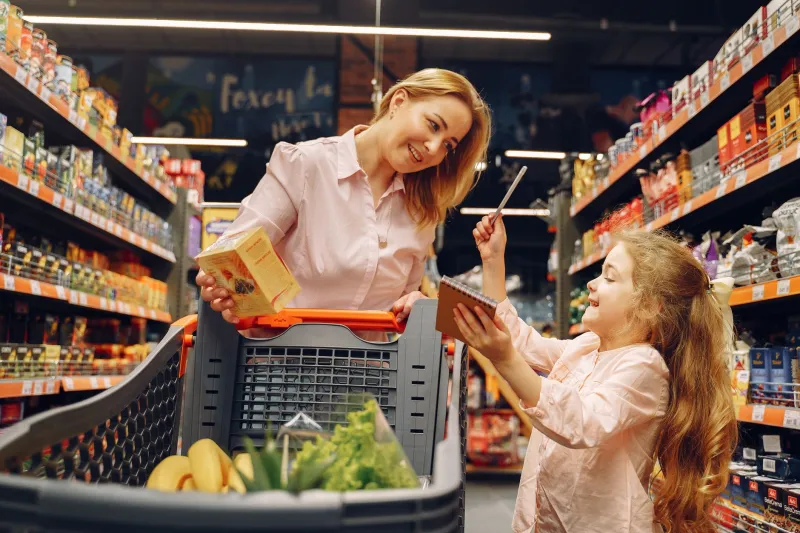
Here's something most parents don't think about when they're asking their eight-year-old to help rinse the produce or check whether you're out of olive oil: that moment is doing a lot more than keeping the kid busy.
The kitchen, it turns out, is one of the sneakiest learning environments in the house. Not because of anything magical about the stove or the cutting board, but because the whole process of getting a meal on the table requires a genuinely impressive set of real-world skills. Planning ahead. Staying organized. Making decisions with limited resources. Adjusting when things go sideways. Sound familiar? These are the same competencies that employers list on job descriptions and guidance counselors talk about in high school orientation.
And your kid is quietly building all of them — one grocery run and one sheet pan dinner at a time.
It Starts Way Before Anyone Touches the Stove
Most parents think of "helping in the kitchen" as the hands-on part: stirring, measuring, maybe flipping a pancake. But the learning actually kicks in much earlier, during the planning phase that most adults handle automatically without even thinking about it.
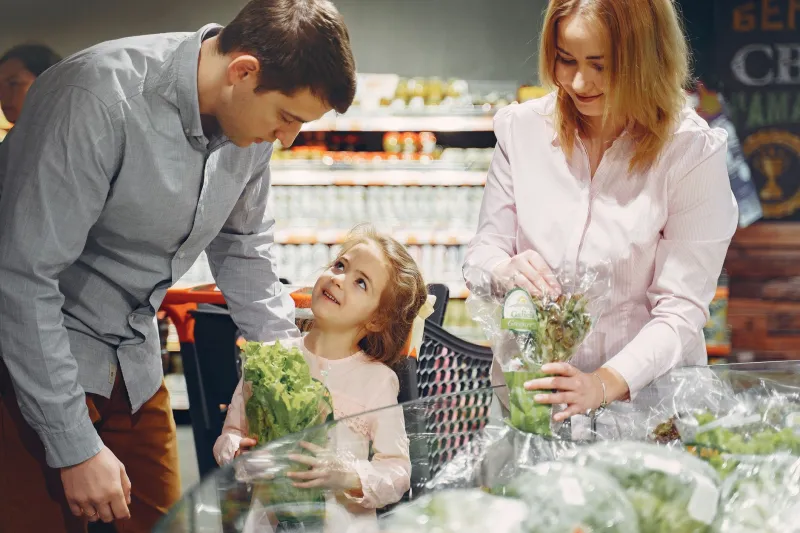
When you pull your child into the weekly meal planning conversation — even casually, even just by asking "what should we do for dinner Thursday?" — you're walking them through a mini project management exercise. They have to think about what ingredients are already on hand, what sounds good, whether it's a busy night, and how all those pieces fit together. That's critical thinking with real stakes and real feedback.
Try handing them the grocery list and asking them to cross-check it against the fridge before you leave. You're teaching inventory management. Ask them to figure out whether it's cheaper to buy the big bag of rice or the smaller one. That's unit pricing — a skill that a surprising number of adults still struggle with.
None of this feels like school. That's exactly the point.
The Grocery Store as a Budget Classroom
Take your kid to the store with a rough budget in mind and let them in on it. You don't have to make it a formal lesson. Just say something like, "We've got about $60 for dinners this week — help me figure out what we can make."
Watch what happens. They'll start making trade-offs. Do we get the name-brand pasta sauce or the store brand so we can afford the nicer cheese? Can we stretch the chicken into two meals if we plan it right? These are real financial decisions, and making them in a low-pressure, real-world setting is genuinely valuable.
Research consistently shows that kids who participate in household financial decisions — even small ones — develop stronger money management habits as adults. The grocery store is one of the most accessible places to start that conversation, and it doesn't require a whiteboard or a lecture.
Time Management Is Hiding Inside Every Recipe
Here's one that sneaks up on parents: cooking is basically a live exercise in time management.
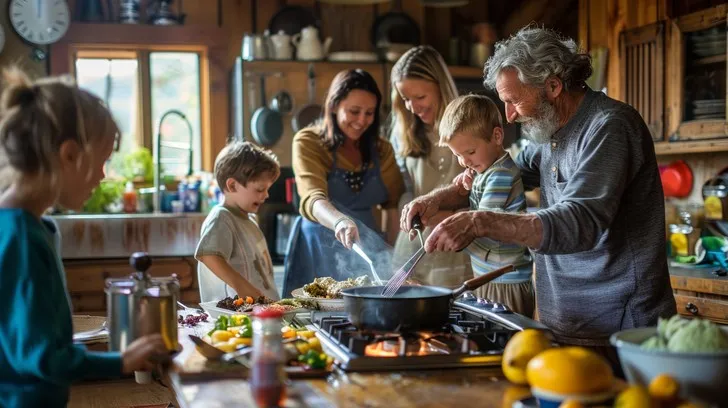
When you're making a full dinner, you have to think about what takes longest and start that first. You have to work backward from when you want to eat. You have to keep multiple things moving at once without letting anything burn or overcook. For adults, this is second nature. For kids, it's genuinely hard — and genuinely worth practicing.
Start simple. Ask your child to help you figure out what order to do things in before you start cooking. "Okay, the pasta takes 12 minutes, the sauce needs 20, and we want to eat at 6:30. When should we start each one?" Let them work it out. Let them get it slightly wrong sometimes, too — the dinner that was five minutes late because someone miscalculated is a lesson that sticks.
As they get older and more comfortable, you can give them more ownership. Let them plan and execute a whole meal, including timing. The feeling of pulling it off — of having everything ready at the same time — is a genuine confidence builder.
Problem-Solving Happens When Things Go Wrong
No kitchen runs perfectly. Ingredients go missing. Something burns. The recipe calls for buttermilk and you only have regular milk. These moments feel frustrating in the moment, but for kids, they're gold.
When something goes sideways during meal prep and you don't immediately swoop in to fix it, you're giving your child a chance to practice problem-solving in real time. "We're out of chicken broth — what do you think we could use instead?" "The oven's running hot tonight and the muffins are browning too fast — what should we do?"
They might not always get it right. But they're learning to think flexibly, to look for solutions rather than shutting down, and to handle imperfection without falling apart. Those are genuinely hard skills that take years to develop — and the kitchen gives you dozens of low-stakes opportunities to practice them every single month.
Organization Is a Habit You Can Actually Teach
A well-run kitchen is an organized kitchen. And if you bring your kids into the process of keeping it that way, you're teaching them something that will serve them for the rest of their lives.
This doesn't mean demanding a Pinterest-perfect pantry. It means involving them in simple systems. Where do things go when you put away groceries? How do you know when you're running low on something? What's the rule about putting the newer stuff behind the older stuff in the cabinet?
These habits — first in, first out, knowing where things live, restocking before you run out — translate directly into how adults manage their homes, their offices, and their schedules. Kids who grow up participating in household organization tend to be more naturally organized as adults, not because they were lectured about it, but because it was just part of how things worked at home.
How to Make the Most of These Moments
You don't have to turn every dinner into a curriculum. In fact, the more you treat it like a lesson, the less effective it tends to be. The goal is to involve your kids naturally and consistently, and let the learning happen on its own.
A few things that help:
- Ask instead of tell. Instead of saying "we need to start the potatoes first," ask "what do you think we should start with?" Let them reason through it.
- Give real responsibility. Not pretend tasks, but actual jobs that matter. If they're in charge of the grocery list, let the list be incomplete if they forget something — and talk about it afterward without making it a big deal.
- Let them see the whole picture. Don't just hand kids individual tasks. Show them how meal planning, shopping, prepping, cooking, and cleaning up connect into one continuous process. The big picture is where the real learning lives.
- Talk through what you're doing. You don't have to narrate everything, but occasionally thinking out loud — "I'm checking the expiration dates before I put the new stuff away" — helps kids absorb habits they might not notice otherwise.
The Best Classroom Has a Refrigerator
Parents spend a lot of energy looking for ways to give their kids a leg up — the right extracurriculars, the right books, the right experiences. And those things matter. But so does the hour before dinner, when there's a meal to plan and a fridge to check and a budget to stick to.
The kitchen has always been the heart of the home. Turns out, it might also be one of the best schools in it.